
News
What Framer 3.0 Means for Template Creators
Last updated:
Written by:
Framer 3.0 is a big update for anyone creating and selling Framer templates.
With the launch of Framer Agents, AI is now built directly into the canvas. It can help generate pages, improve layouts, write content, organise styles, create CMS structures, audit accessibility issues, fix inconsistencies, and more.
At the same time, Framer is opening up the Marketplace as part of the new Framer Community. Resources no longer need to go through the same manual review process before they can be published.
That combination changes the game for template creators.
Not because templates are suddenly dead.
But because the way people discover, buy, and use templates is changing.
Templates are not dead
The obvious question is:
If Framer can now generate pages with AI, will people still buy templates?
The answer is yes.
But the type of template people buy will change.
A weak template that is just a few nice-looking sections on a page will be easier to replace. If someone can ask AI to generate a basic landing page, a generic template becomes less valuable.
But a strong template is different.
A strong template gives people a polished starting point. It has a clear style, good structure, proper components, responsive layouts, useful CMS collections, and a layout system that makes sense.
That becomes even more useful with AI.
Because people will not only buy templates to avoid starting from scratch. They will buy templates to give Framer Agents a better starting point.
The template becomes the base. The AI helps customise and extend it.
That is a very different way to think about templates.
Your template is becoming a design system
Before, a Framer template was mostly sold as a finished website.
Now, it might be better to think of it as a small design system.
A buyer might use your template, then ask Framer Agents to:
create a new pricing page
add extra feature sections
rewrite the homepage
generate SEO metadata
make changes to the CMS
adapt the site for another audience
translate parts of the site
fix responsive issues
For that to work well, your template needs to be clean and easy to understand.
Messy layers, random naming, inconsistent spacing, poor mobile layouts, and confusing CMS collections will become bigger problems.
Not just for the buyer.
For the AI too.
If the template is well-structured, it gives both the human and the agent a better foundation to work from.
That means template quality is no longer only about how it looks in the preview.
It is also about how well it works once someone starts editing it.
Generic templates will be harder to sell
Framer 3.0 will probably bring more people into the ecosystem.
That is good.
But it also means more people will publish templates.
Because the Marketplace is becoming more open, the barrier to publishing is lower. More creators will be able to upload resources, and the official Marketplace will likely become more crowded.
That does not mean you should panic.
But it does mean vague templates will struggle.
If your template is positioned as:
A modern SaaS template
That is probably not enough anymore.
Modern for who?
What type of SaaS?
What stage of company?
What pages are included?
What problem does it solve?
A better position would be:
A Framer template for AI startups launching their first waitlist.
Or:
A Framer template for solo founders selling a productised service.
Or:
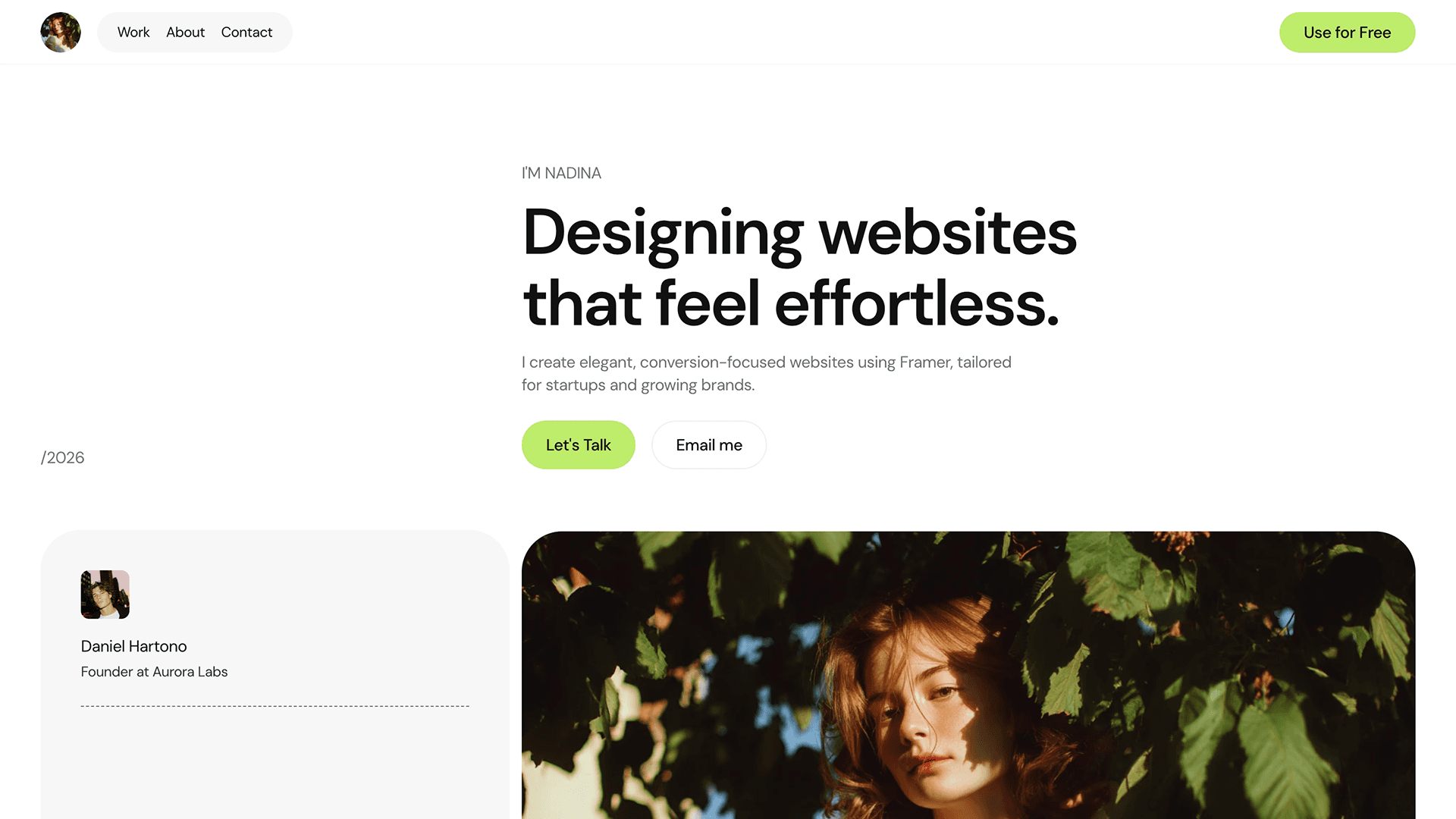
A portfolio template for freelance product designers who want to showcase case studies.
The more specific your template is, the easier it is for the right buyer to understand why they should care.
Specific templates are easier to market.
They are easier to write about.
They are easier to rank in search.
They are easier to recommend.
And in a more crowded Marketplace, that matters.
Your listing needs to sell the outcome
A lot of template listings focus too much on features.
Pages included. Sections included. CMS included. Animations included.
Those things matter.
But buyers also want to know if the template is right for them.
Your listing should answer questions like:
Who is this template for?
What kind of project is it best for?
What pages are included?
How easy is it to customise?
Does it work well on mobile?
Does it include CMS collections?
Can it be extended with Framer Agents?
What makes it different from other templates?
This is especially important now.
If more templates are published, buyers will not spend ages trying to understand each one.
Your job is to make the decision easier.
Do not just show the template.
Explain why someone should use it.
Make your templates AI-ready
This might become one of the biggest opportunities for template creators.
If people are going to use Framer Agents to customise templates, creators should start making templates that are easier for agents to work with.
That means:
clear component structure
consistent text and colour styles
reusable sections
proper CMS setup
strong responsive behaviour
good naming
clean page organisation
simple documentation
You could even include a short “How to customise this template with Framer Agents” guide.
For example:
Use this prompt to create a new feature page in the same style.
Use this prompt to rewrite the homepage for your own startup.
Use this prompt to add three new sections using the existing design system.
That small addition could make your template feel much more useful in the Framer 3.0 era.
It also gives buyers more confidence.
Instead of thinking:
“Will I be able to edit this?”
They think:
“I can use this as a starting point and let Framer Agents help me adapt it.”
That is a stronger sales argument.
Templates can save time and AI credits
Another interesting angle is that templates may help people use Framer AI more efficiently.
Generating full pages with AI uses credits. Making lots of changes, regenerating layouts, or localising content can add up.
Starting from a good template means the buyer does not need to generate everything from scratch.
They can use the template as the foundation and spend credits on customization instead.
So the pitch changes from:
Buy this template because it looks good.
To:
Start with a polished template, then use Framer Agents to make it your own.
That is much more aligned with how people will use Framer going forward.
Templates are not competing with AI.
Templates can make AI more useful.
Distribution matters more than ever
The biggest mistake creators can make after Framer 3.0 is thinking publishing is enough.
It is not.
Publishing your template is just the beginning.
If the Marketplace becomes more open, more products will compete for attention. Some will get visibility from the algorithm. Some will not.
You cannot build your whole template business around hoping to be featured.
You need your own distribution.
That could mean:
building a simple website for your templates
posting about your process on X
publishing launch posts
creating short walkthrough videos
collecting emails
writing SEO articles
submitting to directories
sharing updates
building relationships with other creators
improving your template after launch
A good template still needs marketing.
That does not mean you need a huge audience.
It means you need to give people more chances to discover your work.
The creators who take distribution seriously will have a big advantage.
Treat your template like a product
This is probably the main takeaway.
The old mindset was:
Build a template, submit it to the Marketplace, wait for sales.
That might still work occasionally.
But it is not a reliable strategy.
The better mindset is:
Build a useful product, position it clearly, launch it properly, keep improving it, and create your own distribution.
That means thinking beyond the design file.
Your template should have:
a clear target audience
a strong demo
a good listing
useful screenshots
simple documentation
clear support instructions
launch content
SEO pages or posts
ongoing updates
The creators who do this will stand out.
Not because they understand the algorithm better.
But because they understand the buyer better.
What template creators should do now
If you create Framer templates, here is how I would react to Framer 3.0.
First, review your existing templates.
Are they easy to edit? Are the styles clean? Is the mobile version polished? Does the CMS make sense? Could someone use Framer Agents to extend the site without everything falling apart?
Second, improve your positioning.
Make your template more specific. Do not try to appeal to everyone. Make it obvious who it is for and what kind of project it helps with.
Third, update your listing.
Explain the outcome. Show what is included. Mention how it can be customized. Add a section about using it with Framer Agents.
Fourth, build a launch plan.
Do not just publish and wait. Share it, write about it, submit it to directories, create a walkthrough, and give people a reason to care.
Fifth, keep going after launch.
Templates are not one-off files anymore. The best creators will update them, improve them, support buyers, and keep finding new ways to drive traffic.
The opportunity
Framer 3.0 will make it easier for more people to build websites.
That is good for the ecosystem.
But it also means creators need to raise their standards.
Average templates will be easier to ignore.
Strong templates will become better starting points.
The opportunity is not to fight AI. The opportunity is to create templates that work better with AI.
Templates that give buyers a polished foundation.
Templates that save time.
Templates that are easy to customise.
Templates that are specific enough to sell.
Templates that are treated like real products.
Framer 3.0 does not kill Framer templates.
It makes the difference between average templates and great templates much more obvious.
For a practical next step, read our guide on how to make your Framer template AI-ready and start turning your template into a better starting point for Framer Agents.
The newest piece of that is Framer Skills. Because skills travel with a remix, a template can now include instructions for how new pages and content should be designed.